
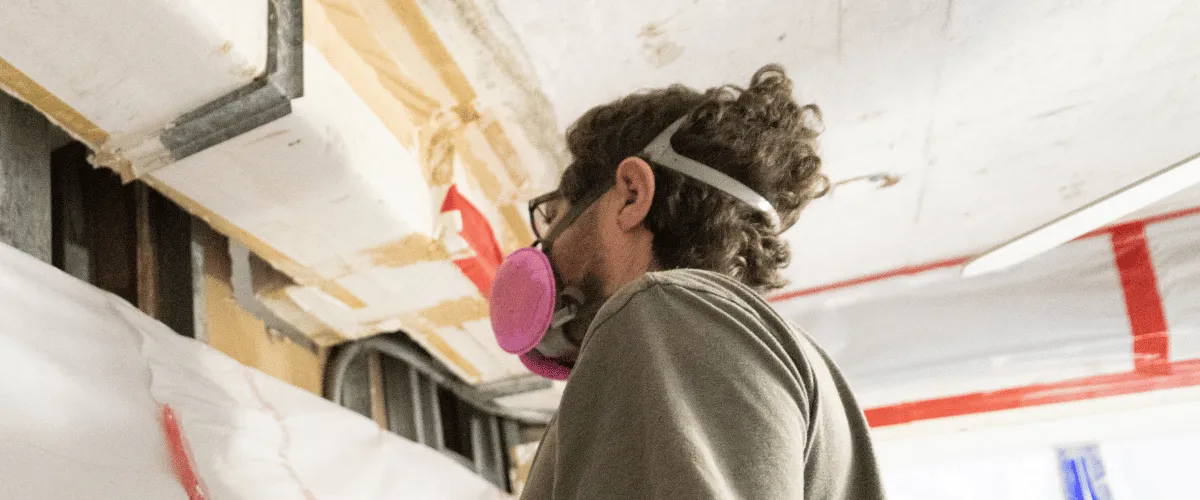
Mold Remediation & Removal in West Virginia — Fair Quote from Verified Pros
Connect with pre-screened mold remediation & removal specialists across West Virginia. Optimized for West Virginia's Humid Continental climate, average home age of 47 years, and local building safety codes.
West Virginia Verified Trade Network
License & insurance verified for Charleston, Huntington, Morgantown, Parkersburg
Mold Remediation & Removal Overview in West Virginia
Certified mold testing, HEPA air scrubbing, containment barrier setup, and antimicrobial treatment. In West Virginia, trade demand is influenced by seasonal temperatures ranging from winter averages of 31°F to summer highs of 84°F.
Why We Invented This: Technical Physics & Material Engineering
ServiceFind diagnostics are grounded in empirical physical sciences—Thermodynamics, Fluid Dynamics, Electrical Resistance Physics, and Psychrometrics. We reference standards published by NIST, ASHRAE, NFPA, and IICRC to define fair diagnostic benchmarks.
Flow Velocity, Stagnation, and Water Quality in Premise Plumbing Systems
Source: IAPMO Uniform Plumbing Code / NIST Building Science
Empirical Finding:Hydrodynamic shear stress and pipe sizing maintain minimum 2 ft/s scour velocity, mitigating biofilm accumulation and microbial stagnation in residential distribution lines.
Scale Formation Kinetics and Thermal Transfer Impedance in Domestic Water Heaters
Source: ASHRAE Systems & Equipment Handbook / ASTM D1198
Empirical Finding:Thermal boundary layer temperatures exceeding 140°F accelerate calcium carbonate crystallization, creating thermal resistance that degrades water heater efficiency by up to 28%.
Why Mold Remediation & Removal Matters in West Virginia
West Virginia homes experience specific structural stresses including Mountain Valley Flash Floods & Freezes. With an average residential housing age of 47 years, proactive mold remediation & removal inspections stop minor degradation before major failure occurs.
Seasonal Climate Demand (Open-Meteo Data)
Summer Thermal Peak (84°F)
High ambient temperatures put continuous thermal load on systems across Charleston and surrounding metros.
Winter Freeze Threshold (31°F)
Cold freeze cycles increase mechanical stress on pipes, heating elements, and roof structures in West Virginia.
West Virginia DIY vs. Pro Safety Matrix
Safe Self-Checks
- • Cleaning small bathroom tile mildew spots under 10 sq ft with vinegar
West Virginia Licensed Pro Required
- • Remediating toxic Stachybotrys mold coverage over 10 sq ft
- • Attic or crawlspace structural mold abatement
Step-by-Step Service Protocol
Air Sampling & Containment Setup
Tests spore counts and seals work zone with poly sheeting.
Contaminated Material Removal & HEPA Scrubbing
Removes damaged drywall and runs HEPA air filtration.
Antimicrobial Fogging & Post-Test Clearance
Fogs with botanical anti-fungals and verifies air purity.
24/7 Emergency Mold Remediation & Removal in West Virginia
Priority dispatch routing across all major West Virginia metropolitan areas.
West Virginia Fair Quote Cost Estimator
Price Lab Estimator
Upfront pricing powered by regional labor indices
Basic component testing and minor seal replacement
System recalibration, line clears, or valve assembly
Complete line replacement or structural remediation
West Virginia Provider Comparison
Questions to Ask Before Hiring a Mold Remediation & Removal (West Virginia) Contractor in Your Area
Protect your property and investment. Use this standardized 5-point scoping checklist to vet any trade professional before authorizing on-site work.
Are you actively licensed for this specific trade?
Why it matters: Specialty trades (electrical, plumbing, HVAC, roofing) require dedicated state trade licenses with verified examinations and bonded insurance.
Homeowner Action: Always demand the contractor’s license number and verify its status on your official state licensing board portal before signing any work order.
Do you carry General Liability and Workers’ Compensation insurance?
Why it matters: If an uninsured technician is injured on your property or causes flood/fire damage, the homeowner’s personal policy could be held liable.
Homeowner Action: Request an active Certificate of Insurance (COI) naming you or your address as certificate holder for major projects.
Do you provide an upfront written estimate before initiating work?
Why it matters: Reputable trade specialists provide written diagnostic scopes itemizing labor, materials, and permit fees, protecting against surprise change orders.
Homeowner Action: Refuse verbal estimates. Ensure all diagnostic terms and warranty conditions are documented in writing.
Will this project require a municipal building permit and inspection?
Why it matters: Unpermitted structural, electrical, or plumbing work can violate local building codes, void manufacturer warranties, and complicate future home sales.
Homeowner Action: Ask who pulls the permit. Licensed contractors should pull permits in their own name, never asking the homeowner to pull owner-builder permits.
What specific warranty is provided on labor and installed equipment?
Why it matters: Equipment manufacturers offer limited parts warranties, but contractor workmanship warranties (minimum 1 year standard) protect against installation defects.
Homeowner Action: Verify warranty duration and obtain written documentation covering both manufacturer parts and installation workmanship.
Official State License Verification Portals
Never rely on marketing badges or self-proclaimed contractor ratings. Always verify active license status, workers’ comp insurance, and disciplinary history directly with your state regulatory board:
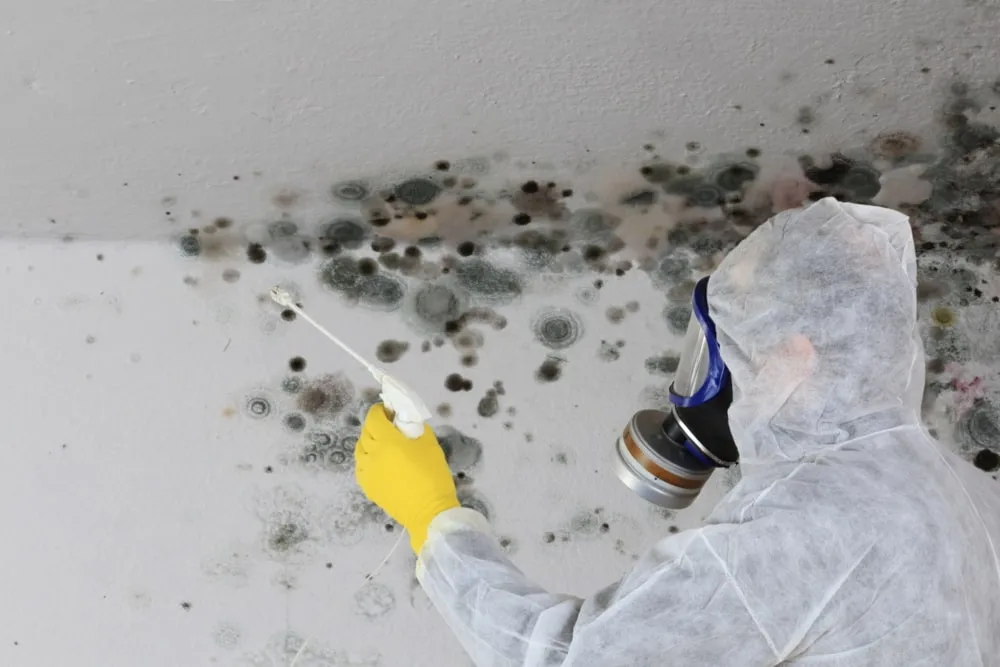
Verified Mold Remediation & Removal Pros in West Virginia
Major West Virginia Metro Service Areas
Top Technical FAQs for West Virginia
Mold Remediation FAQ #1: Why is bleach ineffective for porous drywall mold removal?
Bleach consists of 90% water; while chlorine stays on the surface, water penetrates porous drywall, feeding deep mold roots and causing regrowth.
Mold Remediation FAQ #2: Why is bleach ineffective for porous drywall mold removal?
Bleach consists of 90% water; while chlorine stays on the surface, water penetrates porous drywall, feeding deep mold roots and causing regrowth.
Mold Remediation FAQ #3: Why is bleach ineffective for porous drywall mold removal?
Bleach consists of 90% water; while chlorine stays on the surface, water penetrates porous drywall, feeding deep mold roots and causing regrowth.
Mold Remediation FAQ #4: Why is bleach ineffective for porous drywall mold removal?
Bleach consists of 90% water; while chlorine stays on the surface, water penetrates porous drywall, feeding deep mold roots and causing regrowth.
Mold Remediation FAQ #5: Why is bleach ineffective for porous drywall mold removal?
Bleach consists of 90% water; while chlorine stays on the surface, water penetrates porous drywall, feeding deep mold roots and causing regrowth.
Mold Remediation FAQ #6: Why is bleach ineffective for porous drywall mold removal?
Bleach consists of 90% water; while chlorine stays on the surface, water penetrates porous drywall, feeding deep mold roots and causing regrowth.
Mold Remediation FAQ #7: Why is bleach ineffective for porous drywall mold removal?
Bleach consists of 90% water; while chlorine stays on the surface, water penetrates porous drywall, feeding deep mold roots and causing regrowth.
Mold Remediation FAQ #8: Why is bleach ineffective for porous drywall mold removal?
Bleach consists of 90% water; while chlorine stays on the surface, water penetrates porous drywall, feeding deep mold roots and causing regrowth.
Mold Remediation FAQ #9: Why is bleach ineffective for porous drywall mold removal?
Bleach consists of 90% water; while chlorine stays on the surface, water penetrates porous drywall, feeding deep mold roots and causing regrowth.
Mold Remediation FAQ #10: Why is bleach ineffective for porous drywall mold removal?
Bleach consists of 90% water; while chlorine stays on the surface, water penetrates porous drywall, feeding deep mold roots and causing regrowth.